

 See My Latest Article on HelloNation
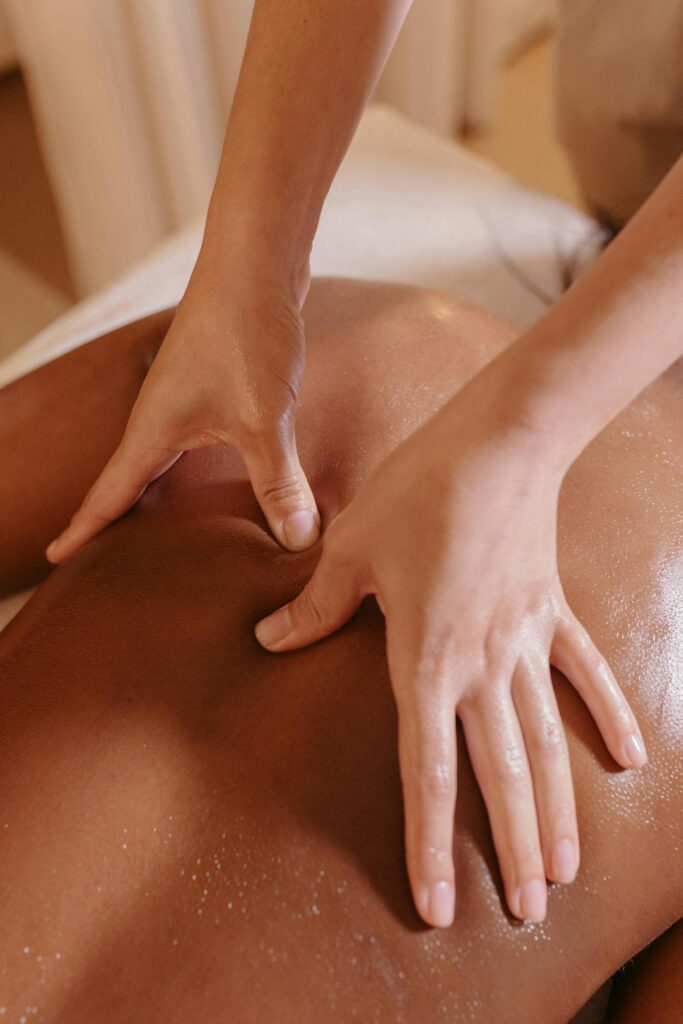
Choosing massage therapy education involves more than comparing program length or tuition. A complete program is structured to develop three types of ability: understanding the human body, performing safe hands-on techniques, and working within professional and legal boundaries.
For residents of Idaho Falls, the most useful starting point is learning how these parts fit together and how classroom instruction connects with supervised clinical practice.
What does a massage therapy education program usually include?
A massage therapy program generally combines anatomy and physiology, hands-on technique, professional practice, and supervised clinical experience. These subjects are taught in stages so students can build skills safely rather than attempting advanced work before understanding basic body structures.
In Idaho, licensure education has traditionally been based on at least 500 hours in a qualifying program. Those hours include both classroom coursework and supervised clinical or fieldwork experience. Current state requirements should always be confirmed before enrolling because licensing rules and examination policies can change.
A typical curriculum may include:
- Anatomy and physiology
- Kinesiology and movement assessment
- Massage theory and terminology
- Swedish and therapeutic massage techniques
- Draping, positioning, and client comfort
- Contraindications and safety screening
- Ethics, boundaries, and professional conduct
- Business and recordkeeping fundamentals
- Supervised student clinic or fieldwork
The exact course names vary, but the educational goals are similar: students should understand what they are doing, why they are doing it, and when a technique should not be used.
Why do anatomy and physiology come first?
Anatomy and physiology provide the foundation for safe massage practice. Students learn the locations and functions of muscles, bones, joints, nerves, blood vessels, and connective tissues. They also study how body systems respond to pressure, movement, positioning, and relaxation.
This knowledge helps a future practitioner distinguish between ordinary muscular tension and signs that may require medical evaluation. It also reduces the risk of applying pressure in an unsafe location or using a technique that does not fit a client’s condition.
Kinesiology adds another layer by examining how the body moves. Students may study joint actions, posture, muscle groups, and common movement patterns. This is especially useful when clients describe discomfort connected to work, exercise, repetitive activity, or prolonged sitting.
A student may memorize muscle names in a classroom, but the real educational goal is practical recognition. During hands-on work, the practitioner must be able to locate structures, notice changes in tissue, and adjust pressure based on the client’s response.
What happens in hands-on technique classes?
Technique classes teach the physical methods used during a massage session. Early instruction often focuses on body mechanics, practitioner posture, draping, client positioning, and basic strokes. Students gradually learn how to work with different areas of the body while maintaining consistent pressure and communication.
Instruction may cover:
- Effleurage, or gliding strokes
- Petrissage, or kneading movements
- Compression and friction techniques
- Range-of-motion methods
- Myofascial or focused soft-tissue approaches
- Positioning for common areas such as the back, neck, shoulders, arms, and legs
The sequence matters. Students usually practice on classmates under instructor supervision before working with members of the public through a student clinic.
Body mechanics are often overlooked by people considering this field. A massage therapist may perform repeated movements for several hours, so education should address stance, table height, use of body weight, hand protection, and ways to reduce unnecessary strain. In a region where winter conditions can make travel, outdoor work, and household maintenance more physically demanding, students may also encounter clients with varied activity patterns and seasonal muscle tension.
What is supervised clinical work?
Supervised clinical work is the part of education in which students apply classroom knowledge to a structured, hands-on setting. In Idaho, qualifying clinical work can include supervised hands-on training in a classroom environment, including a student clinic.
Students are not simply practicing massage without oversight. They typically complete intake forms, discuss health history, identify possible contraindications, plan a session, perform the work, and document what occurred. An instructor monitors the process and provides corrections.
Clinical education helps students develop skills that are difficult to learn from textbooks alone, including:
- Asking useful health-history questions
- Explaining what a session will involve
- Obtaining informed consent
- Maintaining appropriate draping and boundaries
- Adjusting pressure and positioning
- Recognizing when to pause or stop
- Documenting sessions accurately
- Receiving and applying feedback
The student clinic is also where communication becomes part of technical skill. A practitioner must listen carefully when a client says pressure is too strong, a position is uncomfortable, or a symptom feels unusual.
How are safety and contraindications taught?
A responsible program teaches students that massage is not appropriate in every situation. Contraindications are conditions or circumstances that may require avoiding massage, modifying the session, or obtaining medical guidance before proceeding.

Examples may include certain acute injuries, unexplained swelling, fever, contagious illness, recent surgery, some skin conditions, and specific medical treatments. The appropriate response depends on the circumstances, which is why students learn screening rather than relying on a simple list.
Safety education also includes hygiene, clean linens, handwashing, equipment care, safe movement around the table, and emergency awareness. Students should learn the difference between providing supportive bodywork and diagnosing or treating medical conditions outside their legal scope.
For people comparing programs, a useful question is whether safety is integrated throughout the curriculum or confined to a single introductory class. Screening and professional boundaries should be reinforced during every stage of hands-on training.
What professional subjects are part of the program?
Massage education also addresses the responsibilities that accompany client care. Students may study ethics, confidentiality, scope of practice, informed consent, professional communication, and appropriate documentation.
Some programs include basic business topics such as scheduling, fees, taxes, record retention, workplace policies, and professional liability considerations. These subjects do not replace legal or accounting advice, but they help students understand that massage therapy involves administrative responsibilities as well as hands-on work.
Idaho residents should also distinguish between completing an educational program and becoming licensed. Graduation alone does not necessarily authorize a person to practice for compensation or represent themselves as a massage therapist. Applicants generally must meet state requirements, submit the required documentation, and pass an approved competency examination.
How long does massage therapy school take?
Program length depends on the number of required hours, class schedule, and whether attendance is full-time or part-time. A program with the minimum state hours may be completed in several months or longer, while programs with additional training can take more time.
The number of calendar months is less informative than the schedule itself. Prospective students should examine:
- Total instructional and clinical hours
- Days and times classes meet
- Required attendance and makeup policies
- Amount of practice outside scheduled class time
- Timing of clinical work
- Examination preparation
- Transcript and application support
This matters for local households balancing employment, school-age children, winter travel, or long commutes within the surrounding area. A program that appears short may still require substantial weekly preparation and physical practice.
What should students look for before enrolling?
Students should verify that the program’s education is accepted for Idaho licensure and that the school can clearly explain how classroom and clinical hours are counted. Written information is preferable to vague assurances.
Important questions include:
- Is the program registered or approved through the appropriate Idaho education and licensing channels?
- How many hours are classroom instruction, and how many are supervised clinical work?
- Who supervises student clinic sessions?
- Are anatomy, physiology, ethics, and contraindications included?
- What records will be provided after graduation?
- Which competency examination must be passed?
- What additional steps are required for Idaho licensure?
- What happens if a student misses clinical hours?
It is also reasonable to ask how the program handles accessibility, physical demands, privacy, and professional boundaries. Massage education is hands-on, and students should understand the expectations before committing time and money.
A well-structured program does not treat massage as a collection of techniques alone. It develops body knowledge, practical judgment, communication, safety awareness, and professional responsibility in a sequence that prepares students for the realities of client care.